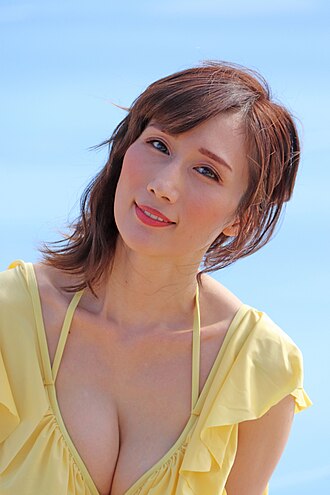
There’s a moment before the shutter clicks where you see yourself in a way no mirror ever showed you: curves carved by light and shadow, gaze that feels both daring and tender, skin that glows like something secret and sacred. That moment is what erotic photography is all about—capturing not just a body, but a presence that reverberates confidence, desire and revelation. Whether you’re taking self‑portraits or directing someone else, producing erotic imagery demands a blend of technical instinct and emotional intuition. It’s not just about exposure or pose—it’s about mood, anticipation and truth.
In this guide you’ll discover how lighting sculpts your form, how poses can whisper desire, and how every frame becomes a statement of your most intimate beauty. These are tips grounded in real photographic practice, from boudoir professionals and artists who understand that erotic photography lives at the intersection of artistry, sensuality and self‑expression.
Choose the Right Light: Sculpting with Shadows and Highlights
Light is the silent storyteller of every photograph. It can soften, define, beautify, provoke—and in erotic photography, it is your most powerful tool.
- Natural window light creates soft, flattering illumination that wraps the curves in a warm glow. Position yourself near a window, letting the light cascade along your body, using sheer curtains to diffuse harsh beams when needed.
- Backlighting (lighting from behind) produces silhouettes and halos, turning your outline into something almost mythic and enigmatic.
- Soft artificial light from diffusers, softboxes or even a ring light can create uniform, skin‑flattering tones and eliminate harsh shadows.
- Dramatic contrast lighting—strong light from one side—can accentuate texture, muscle tone, curves and contours, giving the image an edge of cinematic intrigue.
Thinking about light as a character in your image transforms every shot from a simple photo into a mood, a feeling suspended in time.
Angles and Posing: Let Your Body Speak
The camera angle isn’t neutral—it shapes perception. Slight changes can turn vulnerability into power, softness into seduction.
- Angles that flatter: Shooting from a slightly higher angle can make features appear more delicate, while a lower angle can convey strength and intensity.
- Classics that work: Lying on your side or stomach with legs gently bent creates graceful curves and invites the viewer into the frame.
- Relaxed limbs: Bent legs or arms create diagonal lines that add movement and tension to a still image—critical for pulling the gaze across the body.
- Hands and shoulders: A relaxed hand near the neck, hair tousled, or fingers brushing a hip can speak volumes and add emotional charge.
Don’t aim for stiffness or perfection—aim for intention: the way your body pauses, breathes, and expresses itself between poses.
Depth of Field and Focus: What You Highlight Matters
A shallow depth of field (a wide aperture like f/1.8–f/2.8) turns the background into silk and pushes your body forward in the image, making your curves pop and your skin breathe with warmth.
Selective focus—choosing to emphasize eyes, lips, or a hand brushing fabric—creates a visual hook: something that pulls the viewer into your story before they even notice details.
Props, Fabrics, and Atmosphere: The Unseen Language
A photo is more than a person; it’s a world. Props and fabrics whisper subtext, add layers of sensual meaning, and enhance narrative without overwhelming the subject.
- Sheets, silk, lace: These materials add texture and suggestion without explicitness. Draped or held close, they create tension between concealment and revelation.
- Furniture: A chair, bed, or window ledge becomes a stage—a place where posture and setting interact, shaping the mood of the shot.
- Mirrors and reflections: Using mirrors can double the visual intrigue, showing angles and glimpses that a single view cannot. (Technique inferred from common boudoir practice.)
Every additional element can amplify the theme: softness, mystery, boldness, intimacy—choose what your body and mind want to express.
Confidence and Comfort: The Invisible Lens
There’s one factor more decisive than any lens, light, or pose: confidence. When you feel safe, seen and present, your body speaks through your eyes, your posture and your breath. Creating photos that reflect your best version means you must be comfortable with how you want to be seen—sensual, strong, playful, or vulnerable.
Practicing in front of a mirror, exploring poses, and giving yourself permission to just be are essential steps. It’s not vanity; it’s self‑recognition through the lens.
Self‑Portraits: Tech and Tricks That Empower
If you’re taking your own photos:
- Use a tripod or stabilizer to free your hands and experiment with poses.
- Try a remote trigger or timer so you can move freely into position without rush. (Common practice among self‑portrait photographers.)
- Experiment with angles, light direction, and depth of field until you feel the image echo your intention. Energy translates to the frame when you aren’t rushed or tense.
Your Frame, Your Story
Erotic photography is not about “perfect” features or filtered images. It’s about capturing your sensual presence, your mood, your vulnerability and your strength. With light that caresses skin, poses that feel like a whisper, and angles that reflect your inner fire, each photo becomes a testament to your best version: a version that is unapologetically present, intimately powerful, and intoxicatingly real.