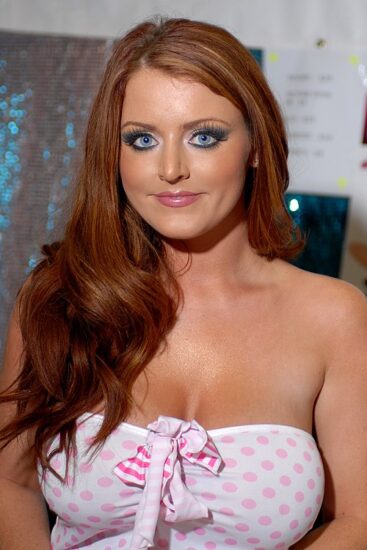
The long hair fetish—a specific expression of trichophilia—occupies a unique space within erotic desire. Unlike overt sexual acts or explicit imagery, long hair operates as a silent trigger, awakening attraction through movement, texture, scent, and visual flow. For those who experience it, hair is not a passive aesthetic detail but an active erotic signal, capable of shaping arousal long before physical contact begins.
This fetish is neither new nor marginal. Across cultures and centuries, long hair has functioned as a marker of vitality, sexuality, power, and identity. Its erotic charge emerges from a complex interaction between cultural symbolism, neurological response, early conditioning, and sensory perception. Understanding the long hair fetish requires moving beyond surface-level explanations and entering a layered analysis where body, mind, and imagination converge.
Historical and Cultural Foundations
Hair as power, fertility, and erotic capital
In ancient civilizations, long hair frequently symbolized fertility, strength, and sexual readiness. In Mesopotamian, Egyptian, and Greco-Roman art, flowing hair framed the body as a sign of abundance and erotic potential. Hair was rarely neutral; it carried meaning, status, and sensual implication.
Religious and mythological narratives reinforced this symbolism. Long hair often represented unrestrained vitality—something both revered and feared. The idea that hair could hold erotic or spiritual power became embedded in collective imagination, laying early foundations for its eroticization.
Medieval and early modern sensuality
During medieval and Renaissance Europe, long hair—especially when worn loose—was considered intimate and provocative. Hair was typically concealed in public, making its unveiling a charged, private act. Erotic literature and art of the period frequently described hair as an extension of the body’s sensual surface, capable of arousing desire through sight alone.
This cultural tension between concealment and display amplified the erotic value of long hair, associating it with intimacy, vulnerability, and sexual access.
Modern media and visual reinforcement
In the 20th and 21st centuries, cinema, photography, fashion, and pornography have repeatedly emphasized long hair as a marker of desirability and erotic identity. Slow-motion hair movement, tactile interaction, and visual framing have reinforced the idea that hair can be erotic without explicit sexual action.
These visual codes do not create the fetish, but they strengthen and normalize its presence in modern sexual imagination.
Trichophilia and Erotic Partialism
Defining the long hair fetish
Trichophilia refers to sexual attraction focused on hair. Within this category, the long hair fetish emphasizes length, volume, texture, and movement as primary sources of arousal. This attraction may involve visual fascination, tactile pleasure, or psychological fixation.
Importantly, this is a form of erotic partialism, where a specific body feature becomes central to desire rather than supplementary. For some individuals, long hair is not simply attractive—it is essential to erotic response.
Common expressions of the fetish
- Visual arousal from watching hair move, fall, or frame the body
- Sensory pleasure from touching, brushing, or holding long hair
- Erotic focus on hairstyles, loose hair, or ritualized grooming
- Psychological arousal linked to hair as a symbol of femininity, control, or intimacy
These expressions vary widely and can exist independently or in combination, forming a personal erotic language rather than a fixed script.
Neurochemical and Psychological Mechanisms
Sensory richness and neural response
Hair interacts with multiple sensory systems simultaneously: vision, touch, smell, and proprioception. The brain processes these layered inputs as a unified erotic stimulus, often producing heightened dopamine release associated with anticipation and reward.
The scalp and surrounding areas are neurologically sensitive, meaning hair-related touch can indirectly stimulate arousal circuits even without genital contact.
Conditioning and erotic memory
Many sexual preferences develop through associative learning. Early experiences of attraction, intimacy, or emotional bonding involving long hair can imprint deeply, shaping future desire patterns. Over time, the brain learns to link hair with pleasure, safety, or excitement.
This conditioning does not imply pathology. It reflects how human sexuality organizes itself around meaningful sensory cues.
Control, intimacy, and symbolic power
Long hair can function symbolically as something that can be held, guided, or released, introducing subtle dynamics of control and surrender. Even in non-dominant contexts, hair can represent closeness, access, and trust, amplifying its erotic impact.
Sensory and Mental Experience
Visual hypnosis
Flowing hair creates rhythm and movement that draws attention effortlessly. The eye follows it instinctively, producing a meditative, almost hypnotic effect. This visual absorption slows perception, allowing arousal to build gradually rather than abruptly.
Tactile exploration
Running fingers through long hair offers a tactile experience distinct from skin: resistance, softness, warmth, and texture variations. This diversity of sensation can sustain prolonged erotic focus without overstimulation.
Imagination and narrative
Hair often becomes part of an internal erotic narrative—a recurring image within fantasy. Its presence allows the mind to linger, anticipate, and elaborate scenarios that deepen arousal beyond the immediate physical moment.
Social and Cultural Reflections
Attraction versus objectification
The long hair fetish exists on a continuum between appreciation and fixation. While consensual desire enriches intimacy, problems arise when preference overrides respect, autonomy, or consent. Understanding this distinction is essential for mature sexual engagement.
Gender, identity, and evolving norms
Although traditionally associated with femininity, long hair fetishism increasingly transcends gender binaries. Cultural shifts have expanded the erotic symbolism of hair to include androgyny, masculinity, and fluid identities, reflecting broader changes in how desire is expressed and understood.
Cultural persistence
The endurance of long hair as an erotic symbol suggests it taps into deep psychological archetypes rather than fleeting trends. Its power lies in subtlety, not excess.
Hair as an Erotic Threshold
The long hair fetish demonstrates how eroticism often emerges not from explicit acts, but from suggestion, texture, and symbolic meaning. Hair becomes a threshold between visibility and intimacy, anticipation and fulfillment.
Rather than a curiosity, this fetish reveals something fundamental about human desire: the capacity for sensory detail to carry profound erotic weight, shaping attraction in ways that are personal, cultural, and deeply embodied.